
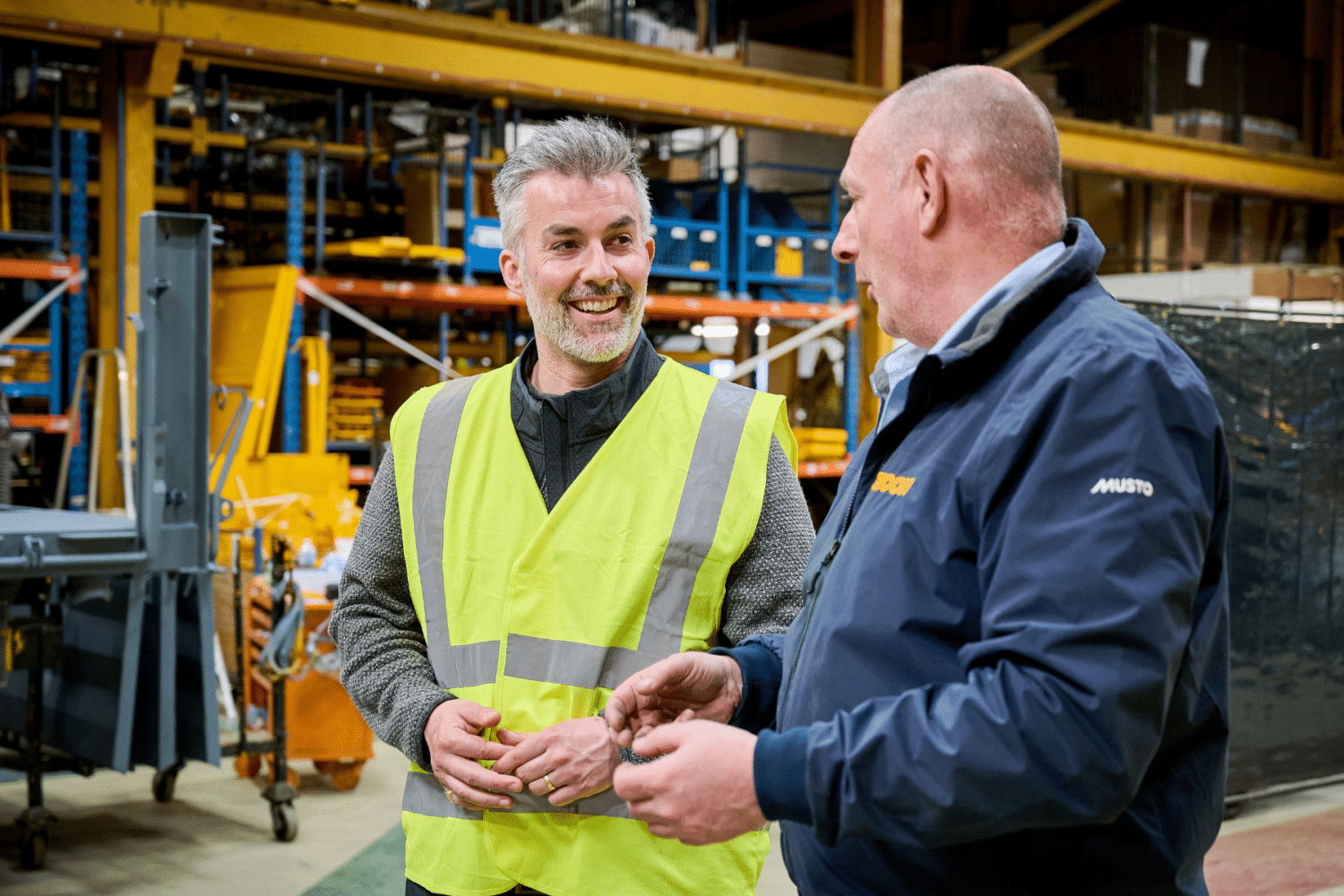
A new Mayoral fund worth £5 million will give businesses across York and North Yorkshire a major boost from today for the next two years.
The Business Innovation Fund is the final of four schemes to launch as part of the Mayoral Challenge Funds, and it comes after several months of collaboration between York and North Yorkshire Combined Authority, businesses and innovation experts.
As a result, the Business Innovation Fund will be delivered through five programmes focussing on ‘Sector Activity’, ‘Spin-Out and Start-Ups’, ‘Get Exporting’, ‘Great Ideas’ and ‘Get Funded’.
David Skaith, Mayor of York and North Yorkshire, said:
“York and North Yorkshire has always been a place of innovation. From building the first railways and social houses, to transforming farming with new technologies.
“That pioneering spirit makes this region special, and it’s why many of our businesses have made their mark, not just here in the UK but also right across the world.
“Our businesses drive so much growth in the region, but with the right support we know they can drive greater innovation and create an even larger impact.
“That potential is why I am excited to see what we can achieve together with the Business Innovation Fund.”
The ‘Sector Activity’, ‘Spin-Out and Start-Up’ programmes, backed by more than £800,000, will be the first to launch this week.
These programmes are designed to drive forward York and North Yorkshire’s key sectors and identify barriers and opportunities for our three universities to nurture companies respectively.
‘Get Exporting’ launches in May with more than £600,000 in grants available. This follows in the footsteps of a similar programme in 2024 which provided grants totalling £200,000 and resulted in millions of pounds in sales.
From October, the £200,000 ‘Get Funded’ programme will provide businesses with financial training so they can attract investment and grow.
The largest of the funds worth £2.5 million, ‘Great Ideas’ will launch in January next year and will involve a ‘dragon’s den’ style application process. Successful businesses will benefit from wrap around coaching and investment training to turn innovative ideas into reality.
Earlier this year, Mayor David Skaith launched three other funds including the £10 million Vibrant and Sustainable High Streets Fund, the £7 million Carbon Negative Challenge Fund and the £2.3 million Skills Innovation Fund.
For more information and to access the programme’s prospectus , please visit this link.
1970s community building gets a 21st century upgrade
Built in 1971, Sessay Village Hall was in dire need of refurbishment and with help from our development officer, the hall is now a dream come true, offering better disabled access, new toilets, solar panels, improved heating and insulation plus a new sprung floor.
What was the challenge?
As a community hub, Sessay Village Hall caters for nearly 500 village residents – 40% of them are over 65. But, with outdated facilities – such as old calor gas heaters, poor insulation and limited disabled access – the building was struggling to meet its potential as a vital hub for the community. Hampered by a lack of confidence in attracting the funds needed to mount a renovation project, the trustees needed the right help and guidance to get things off the ground.
How did Community First Yorkshire help?
After spending time understanding what was needed to bring the hall up-to-date, our development officer set about creating a tailored package of support that included training for the trustees and hands-on help to secure the necessary funding. After attending our 2020 Awards for All training, the trustees’ first win was some initial funding to install a new AV system and refine their renovation project proposals.
In the months that followed, our development officer helped them submit successful bids to both the Platinum Jubilee Village Hall Fund and the Shared Prosperity Fund – which enabled an extension for storage, new toilets and disabled access improvements, as well as air-source heating, insulation upgrades and a renovated sprung floor. Extra funds were also secured for solar panels and other improvements.
[single_story_pull_quote]
What does the future look like?
With a building that is now more accessible, comfortable and widely used, the future is bright for this thriving village hall. Future plans involve renovating spaces for the local cricket club and expanding collaborations with the church and primary school. Community First Yorkshire will be on hand to support this ongoing development whenever the trustees need more help.
In a nutshell
The renovated hall is not only being used for everything from WI meetings to rural arts and pilates classes, it is firmly at the heart of the community, hosting all manner of local events. The long-term benefits being enjoyed include increased community engagement, opportunities for business meetings and reduced energy costs. Without some really significant funding successes, these changes would not have been possible, leaving the hall underused and the community underserved.
How can we help you?
As a registered charity, we understand your needs. Our local advisers will come to you to ensure you get access to the best advice and guidance on everything from funding to marketing.
Supporting a wide variety of community buildings across our patch, we provide practical guidance and advocacy to trustees, employees and management committees of buildings across rural North, South and West Yorkshire. Just some of our specialisms include support with:
- good governance
- safeguarding
- finance and funding
- policies and procedures, and
- operational good practice.
We also:
- facilitate a regular support network for people managing community venues
- provide access to specialist resources – including resources produced by ACRE
- host a closed Facebook group offering invaluable peer support. If you already have a Facebook account please click here to join.
Find out more on our website on our Community Buildings Hub or you can call us on 01904 704177 or drop us an email.
“We were not very confident about writing grant applications but Nicky gave us a good steer on what is feasible. We learnt how to adapt our needs to what funders are looking for. It’s helped with the style of writing and now we are really quite confident as we have been so successful. We also find the regular Funding Bulletins really informative. Nicky got us going and it’s taken off from there. When there is anything we need, we go back to her.”
Secretary of Sessay Community Trust

Harrogate Homeless Project now set to expand its activities
Harrogate Homeless Project, a charity that provides homeless people with a safe place to stay and support with the move to independent living, wanted to grow its volunteer programme in line with an expanding and evolving role in the town. Our development officer was on hand to help them, providing tailored training, advice and networking opportunities.
What was the challenge?
Recruiting and managing much needed volunteers can be easier said than done. With a new Volunteer Coordinator onboard, the charity soon realised there were key areas where they needed to boost their knowledge, understanding and confidence. These areas included streamlining their volunteer management processes, expanding their volunteer roles, finding a suitable management system and improving their understanding of DBS eligibility for volunteer positions.
How did Community First Yorkshire help?
Over just a couple of months, our development officer was able to provide a range of consultancy, training and networking opportunities that made a real difference:
- dedicated training workshops on volunteer management provided a wealth of information and useful resources
- ongoing advice on DBS criteria helped the team get to grips with this vital element of volunteer management
- one-to-one help with finding a better volunteer management system delivered a solution tailored to the project’s needs, and
- access to our popular peer support networks provided a useful sounding board to boost confidence.
[single_story_pull_quote]
What does the future look like?
Thanks to our partnership, Harrogate Homeless Project has been able to expand its volunteer programme, boost its capacity and make real progress in tackling homelessness in Harrogate. The support they received helped them embrace their ongoing mission to create lasting change.
How we can help you?
As a registered charity, we understand your needs. Our local advisers work across North Yorkshire and will come to you to ensure you get access to the best advice and guidance on everything from funding to marketing.
Working with volunteer coordinators and managers, we offer support in a range of areas including:
- volunteer recruitment and retention
- policies and procedures, and
- operational good practice.
We also:
- facilitate a regular support network for people managing volunteers
- produce a regular email newsletter dedicated to everything volunteering
- produce a range of specialist resources.
Find out more about our work in the volunteering sector here.
If you or a community group, charity or social enterprise that you know needs support to be even more successful, our advisers can help. Call us today on 01904 704177 or drop us an email.
We are funded by North Yorkshire Council and NHS North Yorkshire.
“Working with Vicki has been absolutely brilliant. Her knowledge and expertise really shone through, and her approachable nature encouraged me to reach out with further questions. The support has been invaluable in helping me grow in my role and expand our volunteer programme.”
Volunteer Coordinator

Please introduce yourself
My name is Leo Thai, I volunteer at WHISH (Whitby Hidden Impairments Support and Help). I’ve volunteered there for just over a year and my role is now a Qualified Youth Worker.
What attracted you to the organisation and volunteer role?
I was involved with the organisation initially as a parent. Having experienced first hand the fantastic work that they do, and how much they have helped me and my family, it was impossible for me not to want to give something back. It was a small start, a few hours here and there and I felt welcome from day one.
What would you say to anyone thinking of volunteering?
I can only speak from experience. That old saying of what you give in life, you get back – as I said, I wanted to give back by volunteering as a way of saying ‘thank you’ – and it changed my future. What started as a few days volunteering has so far turned into new experiences, happy memories and brought me into contact with new friends and fantastic people. It has also lead to paid employment in a new field of work that I love. The skills I have learned are so varied and help me and others. I really can’t believe how things have changed for me in just over a year through volunteer work.
My advice would be find something you believe in and feel passionate about, start your volunteering journey and see where it goes. You won’t know until you start!
What was the best piece of advice given to you as a volunteer?
I can’t pick one piece as I get so much great advice from many different sources at WHISH. As well as helping others, volunteering is also about learning and gaining experience – so if I need to know anything I just ask the right person. If you are the right fit for the organisation you should get all the advice and support you need.
Finally, tell us something about yourself that your fellow volunteers would be surprised to know
I don’t know if it’s a surprise to anyone but I love writing. My three favourite subjects are politics and political theory, Aston Villa FC and nostalgic humour, if that’s actually a thing. I could read a newspaper by the time I was 3 years old, but still left school with no formal qualifications.

The impact of funding to safeguard the future of community spaces in York’s outer wards was highlighted at a celebration held last Friday (28 March) in Bishopthorpe.
In partnership with Community First Yorkshire, City of York Council has supported 11 venues through the Community Buildings Fund, worth a total £133,059. The programme has also benefited from additional funds from the Decarbonisation Programme.
Help to make buildings more accessible
The grants have helped community buildings improve energy efficiency and insulation, upgrade broadband and Wi-Fi provision and install hearing loops and other accessibility measures, as well as supporting general improvements and refurbishments.
These projects will make the buildings more accessible for a wider range of people, improve their facilities, meaning that venues can expand their offer of activities and events, reduce carbon emissions, and reduce running costs, which in turn will make activities using the space more affordable for all.
Hessay Chapel was awarded a grant of £14,132 to enhance its facilities through the installation of energy-efficient heaters, photovoltaic (PV) panels, LED lighting, and a replacement window, improving both sustainability and comfort for the community.
Kathryn Wright from Hessay Chapel said: “The work that has been completed is an incredible achievement for Hessay, we have engaged with the community who are looking forward to helping with some voluntary cosmetic work as the weather improves. We are excited to see greater use of the building with the ongoing improvements.”
So much more than just buildings
Cllr Pete Kilbane, Executive Member for Economy and Culture at City of York Council, said: “Community venues like village halls are so much more than just buildings – they are a lifeline for communities. These spaces play a vital role in reducing social isolation, connecting people to key services and helping people of all ages lead healthier, happier lives.
“That’s why I’m so proud to see that by providing grants to help future-proof community venues – whether that’s through installing new energy-efficient infrastructure or upgrading digital connectivity, this funding will help safeguard these spaces for years to come, ensuring that local residents can continue to enjoy all of the benefits they offer.”
The celebration event was held at St Andrew’s Church Hall in Bishopthorpe, one of the buildings to benefit from the programme through installing solar panels to reduce their carbon impact and cut running costs.
The Rural England Prosperity Fund is part of the UK Shared Prosperity Fund, which aims to improve pride in place and increase life chances across the UK investing in communities and place, supporting local business, and people and skills.
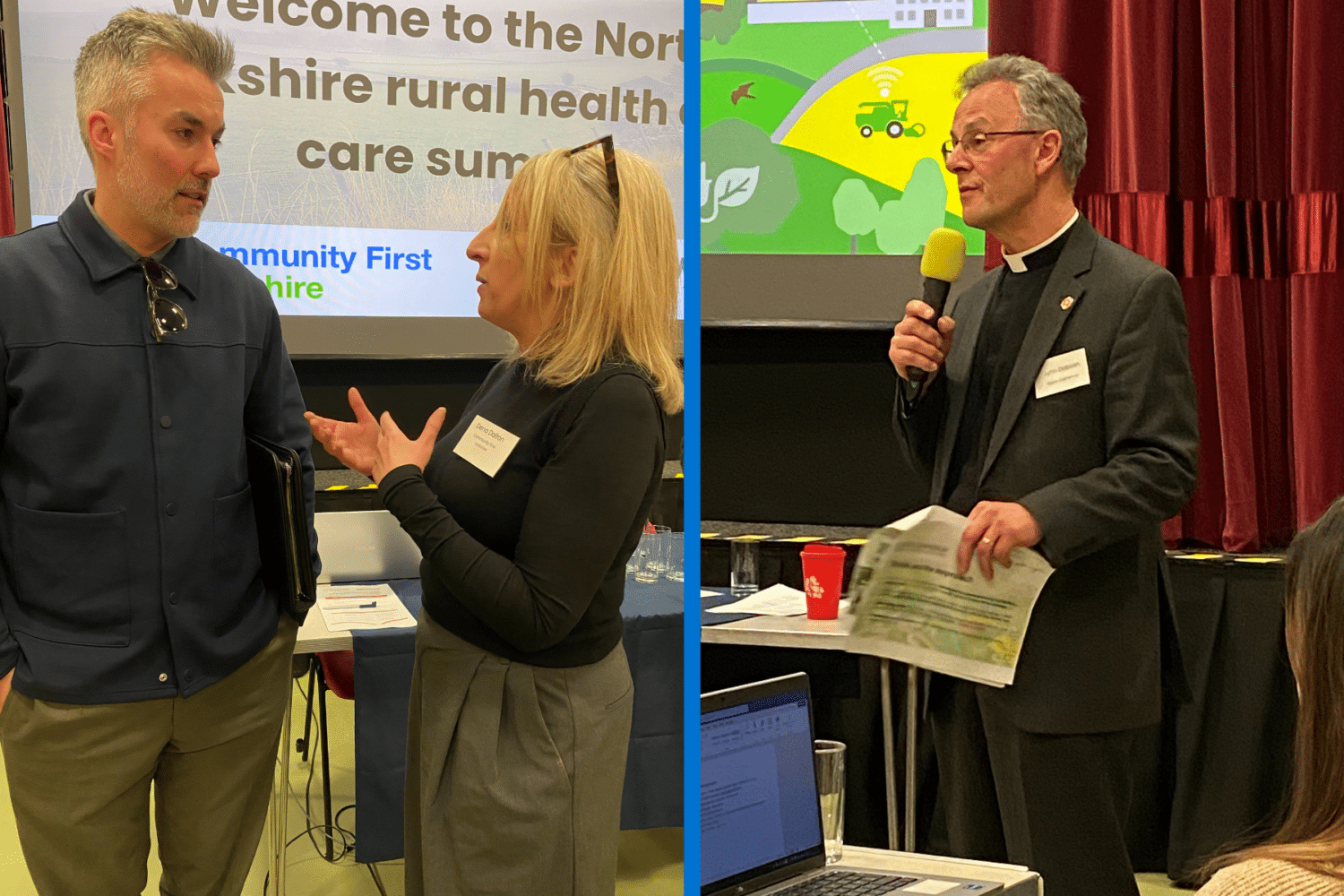
On Friday 21 March, leaders from the NHS, North Yorkshire Council, the VCSE sector, rural organisations and our national parks, gathered at the Galtres Centre in Easingwold to explore a shared understanding of rural health inequalities and how we can work better together to address the impact of them. Organised by Community First Yorkshire and Healthwatch North Yorkshire, the North Yorkshire Rural Health and Care summit was a dynamic discussion on rural healthcare challenges and solutions.
Dena Dalton, Head of Health Collaboration at Community First Yorkshire, shares her thoughts about the event.
Rural healthcare: more than just medicine
One key theme from the summit was that rural healthcare isn’t just about improving access to healthcare services. Transport, digital access, community support, housing, and infrastructure all play critical roles in health outcomes. When it does come to healthcare though, many rural residents feel ignored, as Ashley Green, CEO of Healthwatch North Yorkshire, pointed out.
Access is a major issue – people often have to travel 50+ miles for hospital appointments, and there is a shortage of local GPs. Community transport services are a lifeline – where they are funded to exist, yet digital connectivity remains a challenge. Poor broadband access limits online healthcare services, which are becoming increasingly essential.
The cost of rural healthcare
Providing healthcare in rural areas is more expensive than in urban settings, especially given the higher proportion of older adults. York and North Yorkshire Combined Authority Mayor, David Skaith, reiterated the importance of housing and transport in improving health in rural areas and is developing ways to address these. Additional new interventions from the authority include a Men’s Mental Health Task Force and plans to establish a Sports Council to promote early intervention in health issues.
Richard Webb, Corporate Director of Health and Adult Services at North Yorkshire Council, reminded us that older residents are vital in keeping communities connected. He challenged stereotypes about ageing and emphasised that rural inequalities look different and require specific attention. He also suggested that rural housing should be commissioned in partnership with VCSE organisations.
Rural isolation and mental health
Debbie Swales, CEO of Revival North Yorkshire, shared a moving account of how older people in rural communities experience isolation, leading to poorer health outcomes. As she put it, rural North Yorkshire may look like a ‘chocolate box’ environment, but for the elderly, the view often changes – and not always for the better.
The Very Reverend John Dobson, Dean of Ripon and Chair of the North Yorkshire Rural Commission highlighted the mental health struggles of farming communities. He called for the government to recognise digital connectivity as a fundamental right and to scrutinise rural strategy with a health focus. Without affordable housing, many rural communities risk decline.
Challenges in primary care
Simon Stockhill, GP and Chair of the Humber and North Yorkshire Primary Care Collaborative, illustrated the daily reality for GPs, pointing out vast geographic disparities in doctor availability. Scarborough, for instance, has significantly fewer GPs per capita than Harrogate. He emphasised the importance of integrating primary care, communities, VCSE organisations, and care sectors to address health inequalities effectively.
Helen Flynn, CEO of Nidderdale Plus, noted the increasing demand for digital support, as many older people struggle with the shift to online healthcare services. Meanwhile, Ivan Annibal from the National Centre for Rural Health and Care identified workforce shortages as the most pressing issue in rural healthcare. The cost of living in rural areas is high, making it difficult to attract and retain healthcare professionals.
My key takeaways
The lively panel discussions and table debates throughout the summit led to some clear conclusions:
- No one should be disadvantaged by where they live
- Rural healthcare is complex and varies by location
- Innovation is key in rural health, and risk-taking is necessary
- Rural communities are valuable resources that need greater support
- Addressing rural deprivation requires stronger advocacy
- We must push for better rural housing to improve health outcomes.
What’s next?
Insights and feedback from this summit are still being collated and will feed into a dedicated rural health and care plan. At the event, there was a commitment to revisit the Rural Commission’s findings, ensuring health plays a larger role in rural strategy. Councillor Michael Harrison, chair of the North Yorkshire Health and Wellbeing Board, thought this was also a good opportunity to reset the Board. All partners present committed to supporting change in some way, including building on new connections made, developing further knowledge through shared resources, and looking at ways in which secondary care can support in making appointments more accessible to rural populations. We will keep you posted as to what more comes from it.
If you want to discuss the event in more detail, please email Dena Dalton, Head of Collaboration at Community First Yorkshire.

On 13 March, plans were announced to dissolve NHS England over the next two years, integrating its functions into the Department of Health and Social Care (DHSC). This aims to streamline governance, reduce bureaucracy, and cut administrative costs, including a 50% workforce reduction across NHS England and DHSC.
Impact on the VCSE Sector and ICS-VCSE Alliances
The plan to dissolve NHS England presents both risks and opportunities for the voluntary, community, and social enterprise (VCSE) sector.
Key Risks:
- Reduced VCSE engagement: workforce cuts in Integrated Care Boards (ICBs) may limit collaboration and influence.
- Funding pressures: Cost-cutting measures could reduce investment in VCSE-led services, despite their crucial role in addressing social determinants of health.
- Shifting Priorities: the restructuring may lead to statutory services dominating decision-making, potentially sidelining the VCSE sector.
Opportunities:
- Stronger local partnerships: decentralisation could enable VCSE organisations to co-design health and care solutions.
- Alignment with NHS priorities: the government’s focus on prevention and community care aligns with VCSE expertise, offering partnership opportunities.
- Increased VCSE leadership: if resources shift from hospitals to community care, our sector could take on a more prominent role -provided funding supports this transition.
Next steps
With our roles leading the North Yorkshire VCSE Health Assembly and partnerships with ICBs in the region, we will be advocating for the VCSE sector’s role in shaping health and care decisions by:
- Continuing to strengthen partnerships with ICBs to maintain collaboration and influence
- Highlighting the VCSE’s impact on health outcomes to secure investment and sustainability.
Conclusion
The NHS restructuring poses challenges, but proactive engagement from our sector can ensure its role remains integral to health system transformation. We will continue to work strategically to maintain representation and secure resources for community-based care and will provide further updates.
If you have any questions about restructuring of NHS England and the impact on our sector, please contact Dena Dalton, Head of Health Collaboration at Community First Yorkshire.
Find out how to get involved with the North Yorkshire VCSE Health and Care Assembly and add your voice about health and care services.
Healthy ageing in North Yorkshire will be the main focus of the county’s next Age Friendly Network meeting in York on Thursday 3 April.
This time around, Network members will have the chance to find out more about the latest annual report from North Yorkshire’s Director of Public Health entitled: ‘Live, Age, Engage: healthy ageing in North Yorkshire’. Joining them on the day will be Carly Walker, a member of the Public Health team, who’ll also be able to answer questions.
Priority topic
The topic was chosen to reflect the results of a recent survey with Network members asking about key topics of interest. The most popular option for themed meetings was community support and health issues – with more than 90% of respondents saying it is a priority.
Planning for the future
The event will also offer a great opportunity to feed into Network plans for the months ahead – to help make sure it is focused on the issues that are most important to members.
A slice of cake and a nice cup of tea will be on offer along with the chance to meet other Network members and representatives of organisations that work with older people across North Yorkshire.
Event details
Date: Thursday 3 April
Time: 2-4pm
Venue: The Bedingfield Room, The Bar Convent, 17 Blossom Street, York, YO24 1AQ
The meeting is open to Network members, anyone interested in joining the network, and anyone generally interested in making North Yorkshire an age friendly place to live and work.
If you would like to join us, please book here.
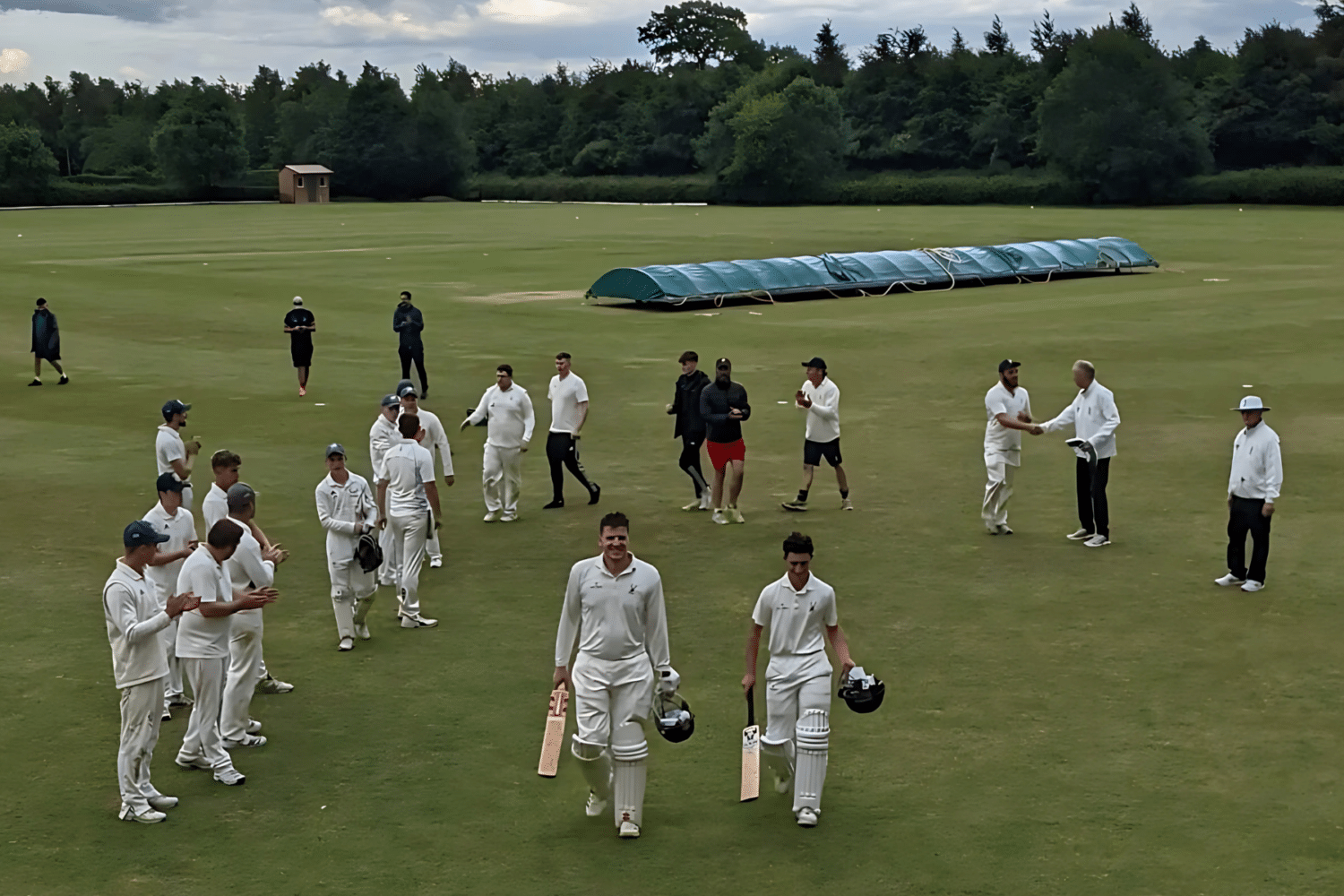
Studley Royal Cricket Club is bowled over with success
Studley Royal Cricket Club, near Ripon, has been working with our development officer to secure essential funding and embark on an ambitious project to modernise its premises, increase inclusivity, and broaden its community impact.
What was the challenge?
While the club boasts a rich history, it was struggling with an ageing building that was limiting its ability to attract diverse audiences and expand its role as a social hub. After exploring different funding opportunities to underpin a modernisation programme, the club quickly realised they needed help to navigate the world of grant funding and produce a winning bid.
How did Community First Yorkshire help?
Over several months, the SRCC team worked closely with our development officer to produce several fruitful funding bids, introduce new technology to facilitate streaming of cricket games, and renovate their toilets to make them more accessible. An ongoing relationship means we continue to highlight possible funding options and provide continuous advice on crafting stronger applications.
[single_story_pull_quote]
What does the future look like?
The Club’s transformation is ongoing with new funding enabling significant renovations, including the imminent installation of solar panels. These upgrades are pivotal in establishing the club as a modern, inclusive community hub. The club has diversified its activities, and the introduction of streaming technology has increased the club’s visibility and drawn in sponsors, enhancing its financial sustainability.
The various cricket teams are thriving and, as a result, the club is fostering social connections, improving fitness, and enhancing mental well-being for participants of all ages in the area.
In a nutshell
Studley Royal Cricket Club has made remarkable strides in enhancing its facilities, expanding its offerings, and building a stronger, more inclusive community. Their progress highlights the power of tailored support and expert guidance in unlocking an organisation’s potential.
How we can help you?
As a registered charity, we understand your needs. Our local advisers work across North Yorkshire and will come to you to ensure you get access to the best advice and guidance on everything from funding to marketing.
Just some of our specialisms include:
- securing income for your organisation or project
- turning your ideas of becoming a new community organisation into reality
- helping deliver greater security as a Charitable Incorporated Organisation (CIO)
- helping to review your organisation and plan ahead
- understanding trustee’s legal roles and responsibilities
- instigating a financial health check.
If you or a community group, charity or social enterprise that you know needs support to be even more successful, our advisers can help. Call us today on 01904 704177 or drop us an email.
We are funded by North Yorkshire Council and NHS North Yorkshire.
“I absolutely love being part of the club. The support from Community First Yorkshire has been incredible – Andy’s expertise and the team’s guidance have transformed our approach to funding. My confidence has gone from a Grade E to a Grade B!”
Warren, a long-time club member and now captain and funding lead